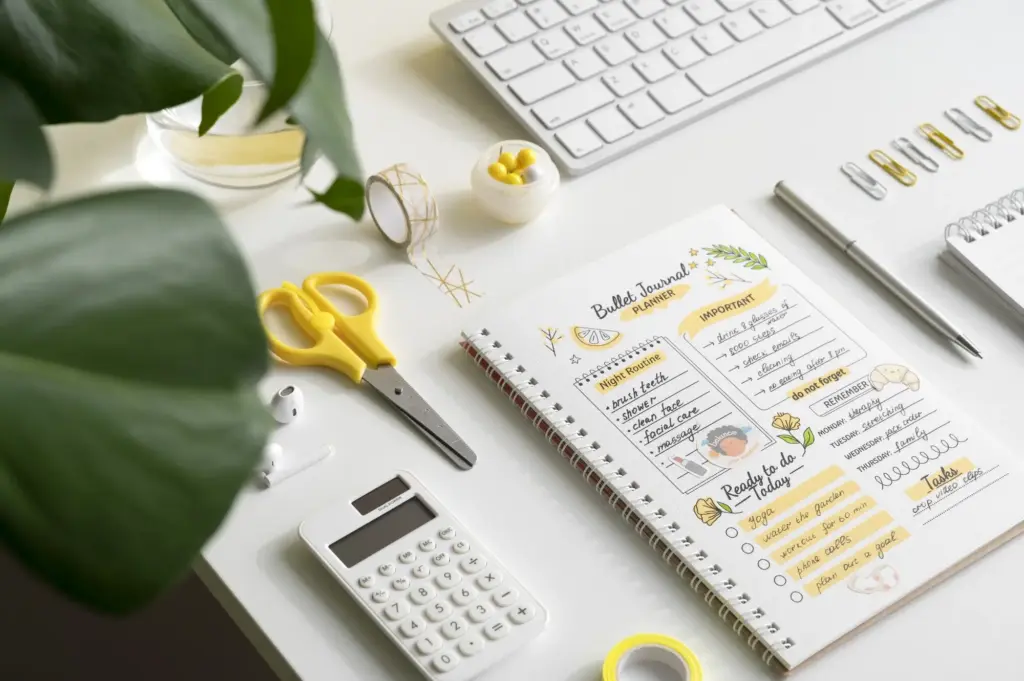
Craft a Day That Feels Effortless and Intentionally Yours

Today we explore Life UX: Designing Your Day, treating hours and habits like interfaces you can shape with empathy, clarity, and delight. Through stories, practical patterns, and tiny prototypes, you will learn to reduce friction, support your future self, and create rhythms that feel humane, energizing, and sustainable. Share your reflections as you read, and subscribe for weekly prompts that help you iterate with kindness.

Gentle Wake Sequence

Replace blaring alarms with a staggered, sensory ramp: dim lights brighten, soft audio fades in, hydration waits within reach, and your phone stays outside arm’s length. This sequence removes decision fatigue before it can form. Track how your mood shifts after a week, and reply with tweaks that made the awakening feel kinder and more consistent.

Breakfast That Reduces Friction

Pre-decide breakfasts like modular components: a base, a protein, a color. Keep ingredients visible at eye level, tools grouped, and cleanup paths obvious. A tiny checklist on the fridge turns groggy guessing into calm flow. Note energy levels at ninety minutes post-meal, then iterate by adjusting fiber, volume, or timing, sharing discoveries that simplified your mornings.

A Five-Minute Daily Standup

Borrow agile’s brevity. State what matters, what might block you, and one success criterion that will feel satisfying by evening. Write it on a sticky, not an app, to stay tangible and grounded. Photograph the note for accountability, and comment later with what stayed, what drifted, and which phrasing made commitment oddly enjoyable to keep.

Design with Energy, Not Only Time

Hours are uniform on a calendar, but energy oscillates with rhythms that calendars ignore. Map your cognitive peaks for demanding work, valleys for admin, and neutral zones for social tasks. Protect high-focus windows as if they were meetings with someone you admire. When scheduling respects biology, procrastination softens into flow. Invite others to co-create respectful boundaries by sharing your personal energy map respectfully.

Micro-Interactions That Make Habits Stick

Tiny cues and rewards shape whether habits launch and survive. Craft delightful micro-interactions for everyday acts: a satisfying pen click after journaling, a soft chime when you close a ring, a playful sticker when you stretch. Friction doesn’t vanish; it becomes navigable. Design for recoverability over perfection. If a habit slips, the interface invites, never scolds, making return feel natural and welcome.

Designing Effective Triggers

Pair actions with reliable anchors: brew coffee then open your notebook, finish lunch then walk for five minutes, Brush teeth then floss exactly one tooth. Triggers live in the environment, not your memory. Make them visual, tactile, audible, or social. Report which sensory anchor worked fastest, and which needed playful adjustment to finally click without nagging.

Progress Feedback You Can Feel

Numbers help, but embodied feedback convinces: marbles moving jars, chains crossing calendars, beads sliding cords. Celebrate completion with a satisfying motion or sound. The brain loves closure loops it can touch. Show your handmade tracker, describe the ritual that marks a win, and explain how celebration, even tiny, shifted consistency from chore to anticipated moment.

Graceful Recovery After Errors

Design an obvious re-entry point for missed days: a smaller version, a reset button, or a compassionate script you read aloud. Replace blame with next-best-step. Track streaks gently, highlighting resilience over perfection. Tell us about a recovery ritual that helped you return without spiraling, and gift that language to readers who need a forgiving restart today.

Environments That Nudge the Right Choice

Spaces whisper instructions. Arrange rooms, bags, desktops, and screens so the desired next action is the easiest visible option. Hide temptations behind extra steps, surface essentials in immediate reach, and make maintenance nearly automatic. A five-minute reset each evening preserves signals for tomorrow. Share photos of a corner you redesigned, and note exactly how your behavior changed afterward.

Accessibility for Future-You

Design handles for tired days: larger fonts on checklists, brighter contrast labels, seated exercise options, and fewer tiny lids. Store heavy items waist-high. Pre-slice time into patient pieces. Write instructions your foggy brain can follow. Report which adaptation felt most respectful, and invite others to borrow it openly, proving accommodation is simply good, thoughtful, human-centered design.

Buffers, Slack, and Resilience

Protect margins around commitments the way designers pad touch targets. Add travel cushions, handover notes, and contingency snacks. When plans slip, slack absorbs shock without blame. Track buffer usage weekly and tune expectations. Share a moment when buffer time prevented conflict, and encourage readers to adopt one consistent slack practice that lowered stress meaningfully and immediately.

Kind UX Writing for the Inner Critic

Rewrite self-talk like interface copy: clear, actionable, non-judgmental. Replace “failed” with “paused,” “should” with “could,” and “never” with “not yet.” Draft error messages you’d want a friend to receive. Post your favorite compassionate prompt, and explain how changing microcopy shifted behavior from avoidance to steady, curious engagement, especially on challenging, emotionally loaded days that demand gentleness.

Reflect, Measure, Iterate

Better days are versioned releases. Keep a lightweight loop: observe, adjust, and celebrate. Track fewer metrics more honestly, favoring those you can influence today. Conduct tiny experiments, retire what drags, double down on what sings. Share your week’s changelog in the comments, and subscribe for monthly planning sessions where we refine these practices together with warmth and candor.