
Map Your Household Like a Pro: Service Blueprinting for Real Life
Welcome to an approachable, practical dive into Service Blueprinting Home Life: Aligning People, Tools, and Touchpoints. Together we will map daily routines, reveal hidden dependencies, and design calmer flows, so mornings, meals, chores, and shared responsibilities feel coordinated, humane, and delightfully repeatable. Subscribe, comment, and share your experiments as we learn together.
Why Mapping Your Household Service Flows Changes Everything
When you visualize who does what, with which tools, at which moments, you transform blame into clarity. A household blueprint externalizes expectations, exposes bottlenecks, and empowers respectful renegotiation. It turns scattered reminders into a shared system that supports energy, dignity, and predictably smoother days.
From Chaos to Canvas: Drawing the Layers
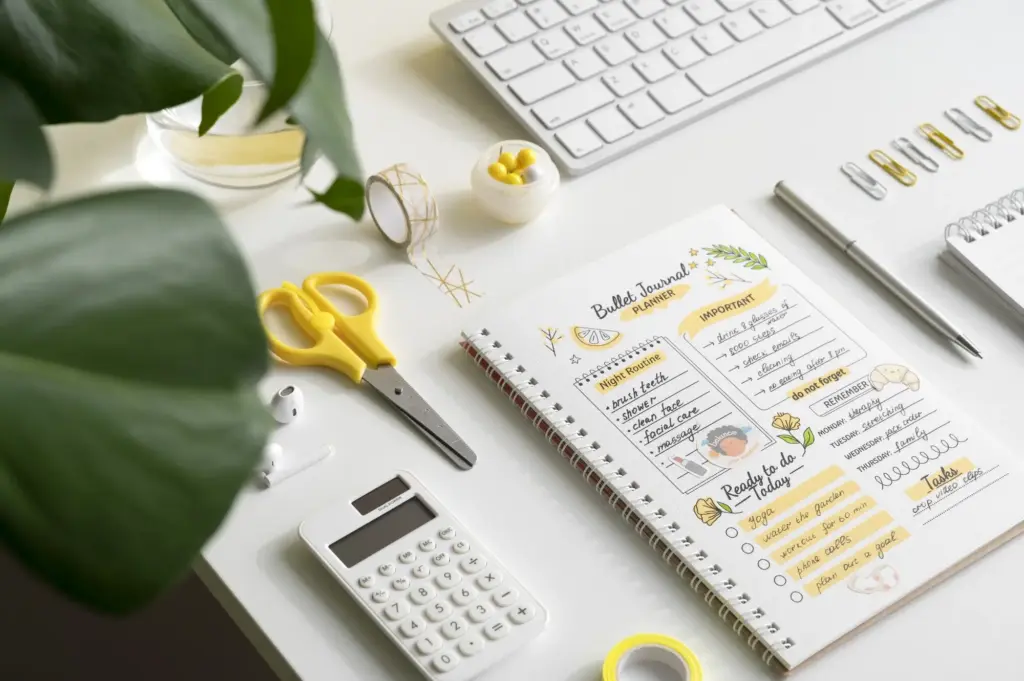
A practical blueprint stacks layers—household actions, frontstage interactions, backstage work, and supporting infrastructure—so flow is observable, negotiable, and improvable. Seeing dependencies across time illuminates why delays cascade, how preparation pays off, and where a simple cue could unlock momentum.

Storyboard Household Actions
Sketch morning to night as a sequence of observable steps: alarms, lunches, commutes, homework, dishes, resets. Attach durations and emotions to each. This reveals pressure points, allows realistic promises, and creates a humane cadence that honors energy waves and recovery needs.

Separate Frontstage and Backstage
Distinguish what is visible—requests, confirmations, handoffs—from preparation—shopping lists, charging devices, cleaning filters. This separation reduces judgment, since success depends on invisible work. It also clarifies who supports whom, enabling fair distribution, better timing, and grateful acknowledgment of effort.
Find the Friction Before It Finds You
Blueprints make it easier to ask kinder questions: Where do we wait, double-handle, or forget? Which promises lack capacity? Instead of firefighting, you’ll test tiny fixes, track effects, and steadily replace guilt with learning, recovery buffers, and celebrating micro-wins.
Orchestrating People, Tools, and Moments
Alignment arrives when expectations, capabilities, and cues sing in harmony. Agree on who decides, who prepares, and who confirms. Choose fewer, friendlier tools. Place reminders where decisions happen. The result is lighter coordination work, calmer transitions, and pleasantly repeatable wins.

Create Clear Role Agreements
Replace vague hopes with written, visible agreements that specify triggers, owners, deadlines, and done definitions. Include learning goals and substitution rules for travel or illness. Revisit monthly to rebalance loads, upskill teammates, and keep the household resilient through changing seasons.

Right-Size the Tool Stack
Audit which apps, lists, devices, and bins actually reduce time-to-done. Eliminate novelty clutter. Standardize naming and color codes. Make the next step one glance away. If a tool creates status chasing, replace it with quiet visibility that rewards steady follow-through.
Small Experiments, Big Calm
Sustained change grows from tiny, testable tweaks run as short sprints. Choose one frustration, propose a lighter process, predict outcomes, and observe kindly. Close with a retrospective and a ritualized win. Iterate until friction fades and confidence in the method deepens.

Plan a One-Week Sprint
Define a singular focus, clear start and end dates, owners, and simple metrics like on-time departures or dishes left overnight. Announce the plan visibly. Keep scope tiny. Protect experiments from blame by treating results as data for wiser design decisions.
Track Hypotheses and Signals
Write predictions: If we stage backpacks at night, mornings shorten by ten minutes. Then observe with compassion. If results vary, note confounders. Over several cycles you build confidence, refine assumptions, and teach kids scientific thinking applied to everyday cooperation.
Close with Reflective Rituals
End sprints with three questions: What felt easier, what still pinches, what will we try next? Capture appreciations aloud. Rituals lock in learning, reduce defensiveness, and keep energy light, so experimentation becomes a normal, proud part of household culture.
Let the System Help: Automation Without Overwhelm
Smart automation should feel like a gentle exhale, not a surveillance state. Automate reminders for batteries, filters, and bills. Batch orders. Sync calendars to travel time. Keep humans in control with easy overrides, transparent logs, and privacy choices respected by everyone.
Calibrate Calendars and Clocks
Layer personal, school, and work calendars with travel buffers and shared visibility. Use time-aware notifications that respect do-not-disturb windows. Align clocks in the house so deadlines match. Fewer surprises mean less cortisol, kinder conversations, and more reliable departures even on rain-soaked mornings.
Connect Devices with Intention
Integrate sensors, speakers, and lights only where they reduce effort or risk. Prefer routines that fail safe, like lights turning on earlier in winter. Keep a physical fallback for every critical function. Technology should support, not replace, competence, judgment, and mutual trust.

Playbooks for Mornings, Guests, and Emergencies
Different situations benefit from tailored flows and safeguards. Mornings demand speed with warmth, guests need clarity without fuss, and emergencies require practiced calm. Building simple playbooks keeps decisions lighter, supports shared confidence, and transforms tricky days into reliably navigable adventures.
Make It Stick as a Family Practice

Make Progress Visible and Kind
Use a hallway dashboard with three friendly metrics and an appreciation corner. Visibility should inspire, not rank. Share small wins weekly. Retire metrics once they serve their purpose. Kind tracking encourages consistency because people feel safe while learning new patterns.
Invite Feedback and Co-Ownership
Open regular check-ins where anyone can propose changes, voice frustrations, or ask for help. Rotate facilitation. Practice listening without fixing. Co-ownership grows when decisions are transparent, experiments are welcomed, and gratitude is spoken generously, even when plans inevitably evolve.
Grow the Practice Through Community
Trade playbooks with neighbors, relatives, or online groups. Host a small swap of labels, timers, or baskets. Share stories of recovered mornings and gentler apologies. Community accelerates learning, reduces isolation, and keeps the craft joyful enough to continue through setbacks.
All Rights Reserved.